When Should You Choose Washer Repair Instead Of Replacing The Machine
Summary: Washer repair often makes more sense than replacement when issues are caused by a single faulty part or a slow performance decline. The blog explains how early warning signs, cost differences, repair benefits, and system stability help decide the right option. It also shows how proper inspection prevents unnecessary replacement and supports longer machine life with simple, practical repair decisions.
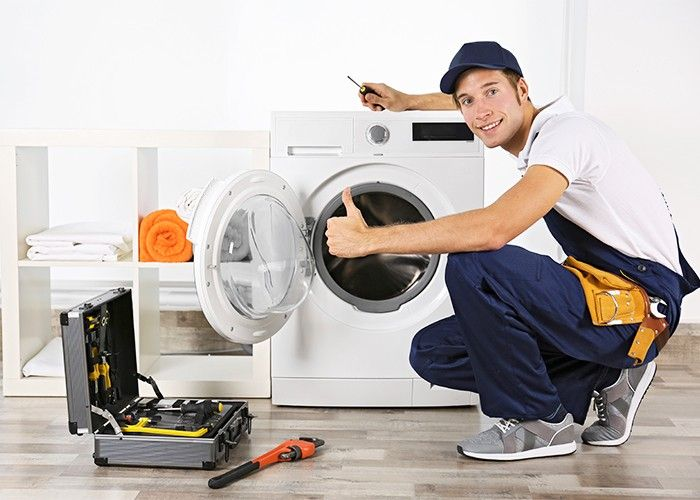
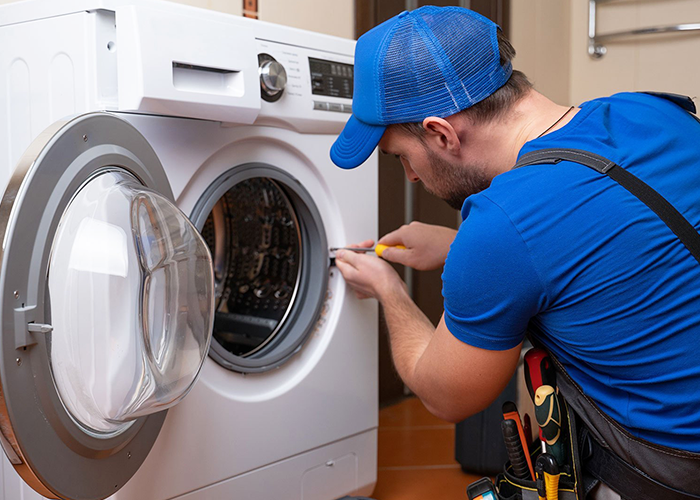
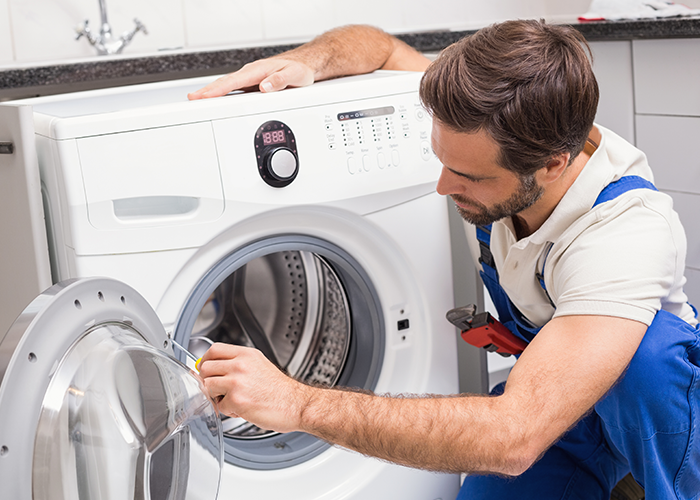
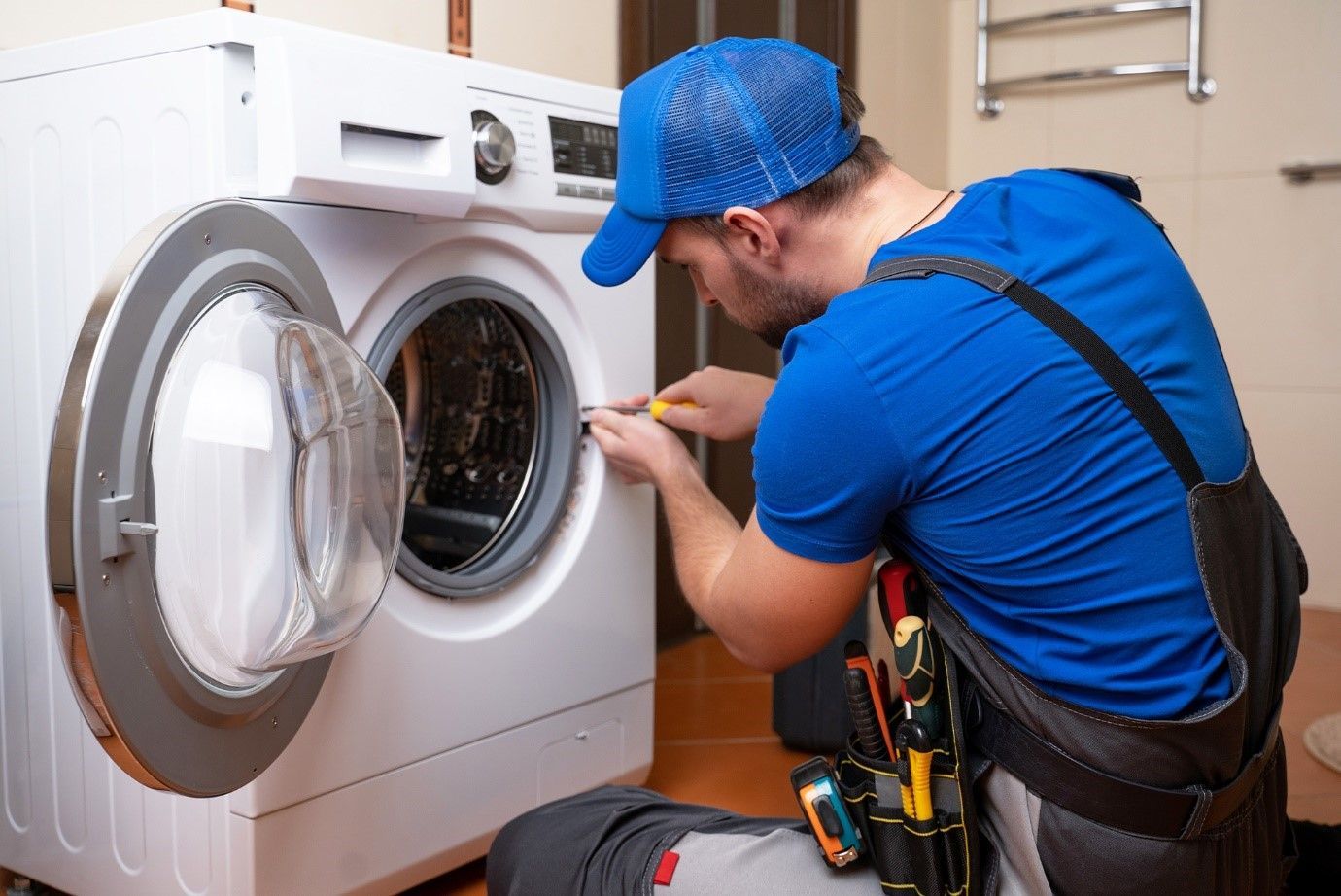
A washing machine rarely stops working all at once. It usually shows small signs first, like longer wash time, weak spinning, or water not draining well. Many people see these signs and think the machine must be replaced, even when most parts are still fine inside. These early signs are often simple faults that do not mean the whole machine is damaged. In Brookline, Brookline washer repair services often get calls from homes that almost bought a new washer, but later found the real issue was only one small part, like a pump or sensor. Buying a new machine feels easy, but it is not always necessary. Many washers still have good working life left, and a small repair can bring them back to normal use without replacing the full unit. A proper check can often show that the problem is much smaller than it first appears.
One Fault Does Not Mean The Whole Machine Is Bad
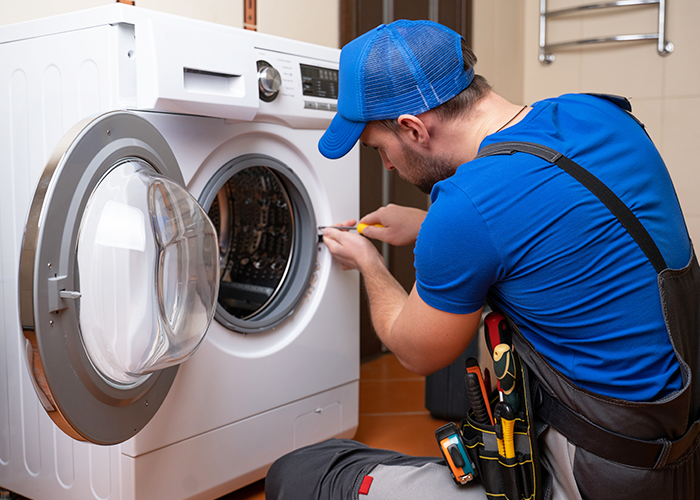
A washer has many parts that work together. The motor, drum, pipes, and control system all do different jobs. If one part stops working, it does not mean the full machine is broken. Most problems come from one weak part, not the whole system. Fixing that one part can bring the machine back to normal working again without replacing everything. Many people assume full damage too early, but in most cases, only one section needs attention. When that part is fixed, the rest of the machine can continue working normally for many more years without issues.
Repair Makes Sense When Problems Come Slowly
If the washer slowly starts working less well, like taking more time or cleaning less, it usually means some parts are getting old or weak. This slow change is a good sign that repair can fix it. A sudden full stop is different and may be more serious. Most home washers show slow changes, which means repair is often enough to make them work well again. Slow changes are easier to fix because they usually involve small wear inside parts that can be replaced or adjusted without changing the full machine.
Replacement Can Cost More Than Expected
Getting a new washer is not only about buying the machine. There are also extra costs like removing the old one and fitting the new one. These extra steps can make replacement much more expensive than people think. Repair avoids these extra costs and only fixes what is broken, which is often cheaper and faster. Many households do not plan for these extra costs, so repair becomes a more practical choice in most normal situations. It also saves time because the installation and setup of a new machine can take longer than expected.
Repair Helps the Machine Last Longer
A washer does not wear out in all parts at the same time. Some parts stay strong while others get weak. Repair fixes only the weak parts and lets the strong parts keep working. This helps the machine last longer without full replacement. It also helps avoid wasting a machine that still has a good working life. Many washers can run smoothly for years if small issues are fixed early instead of waiting for a full breakdown. This makes repair a smart way to extend machine life without extra cost.
When Replacement Is the Better Choice
Sometimes replacement is the better option. This happens when many main parts stop working at the same time, like motor damage, drum issues, and control problems together. If repair costs become almost the same as a new machine, replacement makes more sense. But in most homes, only one or two parts are the problem, so repair is still enough. A full inspection helps decide this clearly instead of guessing based on surface problems. This avoids unnecessary spending and helps make the right choice.
Ending Note:
Age alone does not decide if a washer should be replaced. A machine that still runs well after repair is often better to keep using. If it can complete full wash cycles without problems after fixing, repair is usually the right choice. Stability is more important than age because a stable machine gives better daily use without stress. Through clothes dryer repair Boston, we at Stocker Appliance Repair, LLC also help with full laundry system support, focusing on simple checks, honest repair advice, and helping families avoid buying new machines when repair is enough. Our goal is to make sure customers understand what is truly needed so they do not spend extra money on replacement when a small fix can solve the problem.
If your washer is showing small problems, it is better to check it early. A proper repair can bring it back to normal and help you avoid spending money on a new machine too soon.
FAQs:
1. How do I know if my washer needs repair or replacement?
If problems are minor, like slow spinning or drainage issues, repair is usually enough. Major system failure may require replacement after inspection.
2. Is repairing a washer cheaper than buying a new one?
Yes, repair is often cheaper because it fixes only the faulty part, while replacement includes machine cost, removal, and installation charges.
3. What are the early signs of washer problems?
Long wash cycles, weak spinning, water not draining, or unusual noise are common early signs that repair may be needed soon.
4. Can a repaired washer work like new again?
Yes, if only one or two parts are faulty, proper repair can restore full performance and normal washing function.
5. When is replacement the only option?
Replacement is needed only when multiple main parts fail together, and the repair cost is close to buying a new machine.